Showing posts with label Footwear. Show all posts

How to Accessorize Your Outfit on a Budget

1:16 PM | , , with 0 comments »

How to accessorize and why should you do it? Now aren’t these some pretty good questions to discuss now, when every magazine in the world is busy suggesting new trends and every woman in the world starts having those gloomy thoughts about not having anything to wear.

Accessorizing is a creative process and maybe even some form of art, not a pointless, boring process that is supposed to give you headaches. Accessories will help you stand out, they will also help you save money and you’ll always look fabulous.

How? Well, it’s actually very simple – experimenting with different types of hairpieces, belts, jewelry will make the clothes you already own look totally different enabling you to wear them more often. But that’s not all – you’ll actually get complimented for your looks and nobody will even notice that’s the same shirt/skirt you wore two days ago.

Choosing accessories can be daunting. With so many options and styles, it is easy to pile things on and end up looking like an over-styled disaster. Don’t worry! Deciding on what to wear to make your look pop is very simple.

how-to-accessorize-your-outfit-on-a-budget

Look at your outfit. What colors are you wearing? Neutrals? Pinks? Black and green? If you are wearing neutral, or darker clothes with less color, you may want to accessorize with something colorful. What styles of clothing are you wearing? Is it girly? Tailored? Elegant? What your outfit looks like is important in choosing the right accessories. Clothes are an important part of accessorizing, so it's best to make them as tasteful and stylish as possible. Jeans should flatter your legs and backside. Skirts would look best if they were as fun and colorful as your shirts, but black or white work.

Accessories can help you make any outfit look fresh and exciting! Accessorizing is the easiest, most inexpensive way to make a style statement. Here's some quick ways to accessorize any outfit.

1. Choosing Basic Jewelries

how-to-accessorize-your-outfit-on-a-budget-jewelries

The quickest way you can change your look is with jewelry. It’s like a punctuation mark at the end of a sentence. The very same dress can become dressy with crystal jewelry, or go casual with wooden accessories.

The rules of necklace wearing is fairly simple: if you’re wearing a “busy” shirt, keep the neckline simple. If your top or dress is simple, rock out all out want! Also, be sure to stick to only one statement piece (the IT piece for fall accessories) or multiple layers of simplicity. On trend this season? Neon rhinestones. And mixing metals can be oh-so-chic when done well.

Your necklace should be working for you—a long strand that hits just below the bust makes you look taller and leaner.

Wear only enough jewelry to complement your outfit, not overwhelm it.


2. Earrings can Change the Shape of your Face

how-to-accessorize-your-outfit-on-a-budget-earrings

You can actually change the shape of your face with the right pair of earrings. Larger earrings make the nose look smaller. Avoid drop or shoulder earrings if you have a long face or short neck.

When shopping for earrings, consider the shape of your face: Pendants look best when yours is round or square. Studs, buttons, or short drop earrings offset a long or oval face. Hoops are always a good choice.

Colored stones can brighten your complexion. Petites need delicate earrings.

Dangling earrings look best with short hair or up-dos. Smaller earrings look best with glasses.


3. Rings

how-to-accessorize-your-outfit-on-a-budget-rings

A ring should flatter your fingers. Narrow bands or styles that extend toward the knuckle make your digits appear longer; thin fingers can pull off a wider style.


4. Comfortable Shoes

how-to-accessorize-your-outfit-on-a-budget-shoes

Not only are they an important accessory, they can create an entire look. Let’s face it, the shoes stage the outfit.

Go for comfort. If you can’t wear a pair of shoes comfortably for more than an hour, don’t bother. Your face will show your pain, no matter how much makeup you apply.

There should be enough width to wiggle your toes.

The end of your longest toe should be about one-quarter to one-half inch from the end when you’re standing.

The widest part of the shoe should fit the widest part of your foot comfortably. The shoe should not slip when you walk. Purchase late in the day when your feet are largest.

Never buy a shoe that wrinkles when you flex your foot.


Wear what you love. The shoes will dictate what follows.

Flats look best with long skirts and slim pants.


5. Sandal Solutions

how-to-accessorize-your-outfit-on-a-budget-sandals

The simpler the sandal, the more use you’ll get.

Be sure the straps are well made, not too tight or too delicate.

Avoid sandals that cut any area of the foot. Look for built-in arch support. Inner padding is the sign of a well-made sandal.

Inexpensive shoes look richer in natural browns than in black.


6. Boot Boosters
how-to-accessorize-your-outfit-on-a-budget-boots

Chunky boots need heavier hose. Don’t wear sheer hose with boots.

Buy your size. Boots should be snug without cramping. Don’t buy boots that are too big.

Don’t stuff your calves into the boot. Look for stretch materials if you have large calves.

Get non-skid soles from your shoemaker if your boots don’t already have them.


7. Hat Advice

how-to-accessorize-your-outfit-on-a-budget-hats

Never spend a lot for a hat. They blow away in the summer and take a beating in the rain and snow. They’re a great accessory, but not for everyone. They look best outdoors.

Once you have a hat on, you need to keep it on. Hat head is always a sure thing.


8. Choosing Eyeglasses

how-to-accessorize-your-outfit-on-a-budget-eyeglasses

Here’s a great way to show off your style. Your glasses can make a major statement. A long narrow face looks best in oval frames. Cat’s eye frames add width at the cheekbones.

Heart-shaped faces look best in oval or square frames, which hide width and create balance.

A round face is most flattered by an angled or squared shape since they add contours. Soften a square face with round or oval frames. They help de-emphasize a strong jaw line.

Shorten a long nose with light wire frames. Aviator styles help slim a broad face.


9. Sunglasses Styling

how-to-accessorize-your-outfit-on-a-budget-sunglasses

A great accessory, but you’ve got to look at more than the style.

Plastic frames are less likely to pop out but scratch easily.

Polarized lenses filter out glare.

Mirrored lenses reflect it back.

Green works well in low and bright light.

Brown and amber are good for high glare or haze.

Gray, rose, and yellow are good for outdoor sports.


10. Hair Considerations

Gold rims bring out golden highlights.

Red or wine frames look great on redheads.


11. Eye Impact

Tortoise shell is a good choice for brown eyes.

Blue eyes sparkle in clear or silver frames.


12. Belts
how-to-accessorize-your-outfit-on-a-budget-belts

You likely need to start by figuring out which placement works for your figure, then which WIDTH of belt you like best.

How should you implement belts? The right belt can make you appear slimmer and taller. It can dress an outfit up or down. A skinny belt can make your legs look longer. It draws the eye up; making your lower half look longer.

A thick middle can look smaller with a wide belt worn just below the waist. Wear it loosely.

Add height with a chain belt. Always wear it slung on your hips.

If you wear a wide belt, let it rest on your hips. Wearing it right at the waist will make the belt look like a corset.


13. Selecting Scarves

how-to-accessorize-your-outfit-on-a-budget-scarves

So start with a scarf: Put on a fairly loose dress or tunic, and try belting it with a scarf at various spots on your body. Hips, wearing waist, natural waist, and close your bust like an empire waistline. See what looks best. Then try making the scarf wide like an obi belt and see how that looks. Fold it so it’s the width of a pants belt. Roll it tight as you can so it’s skinny. See which width is most flattering. You may find that multiple combinations look good – skinny at your natural waist, wide up by your bust, medium at your wearing waist. But this little exercise will get you on the right track.

In my experience, most women own scarves. They see them worn by others, love how they look, buy them, get them home, and realize they have no idea how to deploy them in actual outfits. Does this describe you? Well, sadly, the only way to give those scarves some wearable love is to suss out which ties work for you. And that means some research and experimentation. Let’s research first:

The perfect scarf can add glamour and polish to an otherwise dull look. There are many ways to use scarves.

Wear a scarf as a belt.

Use a scarf as a men’s tie with a feminine touch.

Cheap scarves are a bargain buy. They double as belts and head wraps.

Remember that your #1 accessory should be your wonderful personality. You want people to like you, not your clothes. Shine on!


14. Finding the Perfect Handbag

how-to-accessorize-your-outfit-on-a-budget-handbags

It’s such an important accessory, and so often overlooked. It’s more visible than your shoes because it’s closer to eye level for everybody to notice.

You don’t need a bag that’s more than 10 x 13 inches unless it’s for business or travel.

It’s not that important or necessary to match every outfit with an exactly matched bag. Actually, it makes you look like you’re trying too hard.

Pick a neutral color or a multi-colored bag if you want it to look like it goes with what you’re wearing.

Find a handbag with one or two extra compartments to help you find things.

Matching bag to your body. A small bag with a short shoulder strap will slim your hips and butt. If you want to look less top heavy, let your bag fall at your waist or just below. Look taller by locating a bag with a contrasting vertical detail.

Choose a bag that falls at the area that you consider your biggest asset, because that’s where you’ll be noticed.

Lighten up your load. It’s not necessary to carry everything in your purse, and it’s not practical to carry full-sized products. Don’t ever have a bag so big that people ask you what you could possibly have in there.

Your Basic Handbag Needs

1) Wallet
2) Keys
3) Breath mints
4) Comb/brush
5) Nail file
6) Tissues
7) Notebook & pen
8) A cosmetic bag with these essentials: lipstick (doubles as blush); foundation/powder combo; multi-use pencil for eyes, lips, brows.

Don't try to carry loose powder in your purse unless it’s in a separate container. It just makes a mess.


15. Types of Wallets

how-to-accessorize-your-outfit-on-a-budget-wallet

Consider a wallet’s material first. Nylon is durable, easy to keep clean, and inexpensive. Leather gets better as it ages. Calfskin is the best leather for wallets.

Light colors stain in any material don’t wear well.

A leather change area is strongest.

Edges should be finished, not frayed.

Check for loose threads.

Test to make sure the metal tops of the wallet “kiss.”

Test a zipper by tugging on the outside edges. Make sure it’s strong and stays on track.

Store your cosmetics in a clear pencil case. In this way, you can see everything at a glance without having to dig. Keep a mirror in it, facing outward. Not only will you protect the mirror from getting dirty, but you’ll also be able to see yourself at a glance.

Bethany Mota's Top 7 Fashion and Beauty Videos

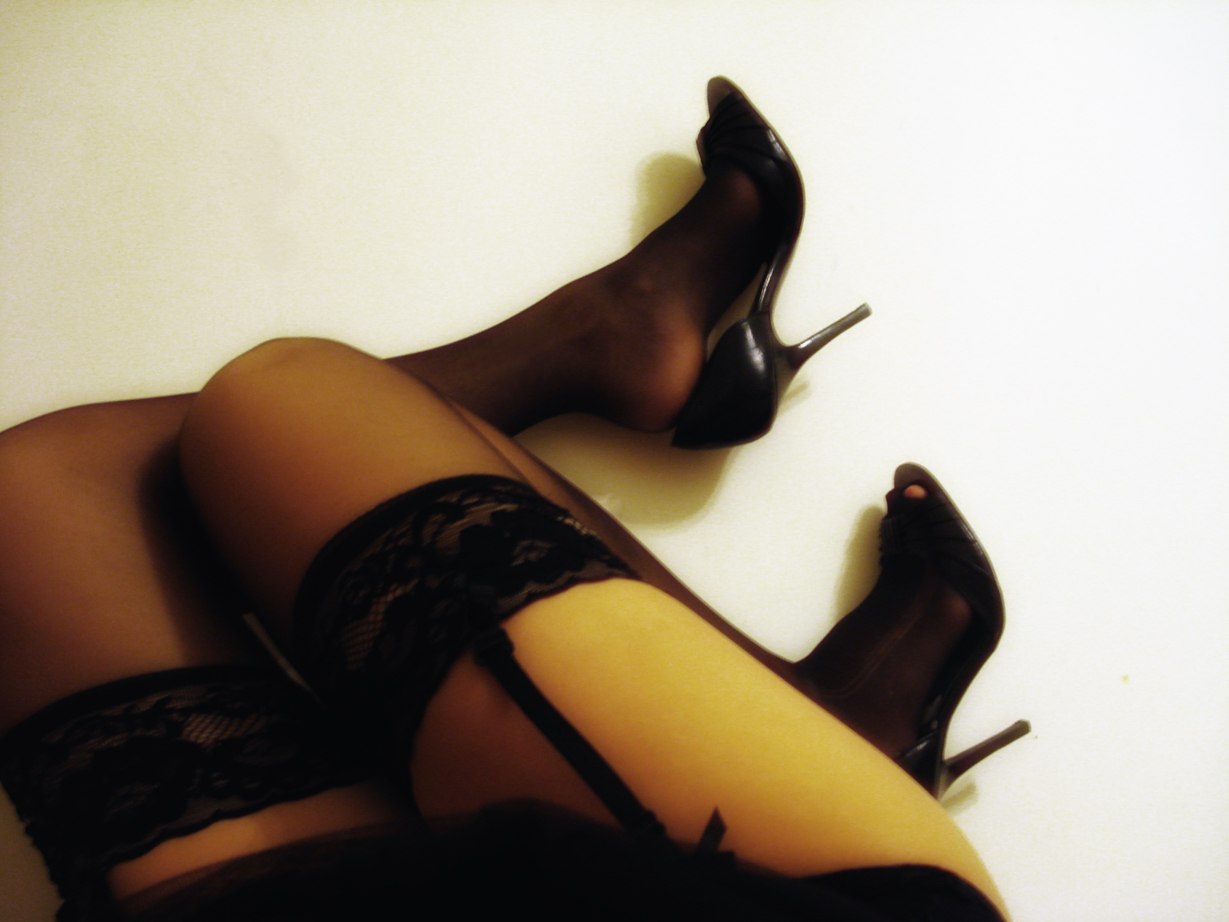
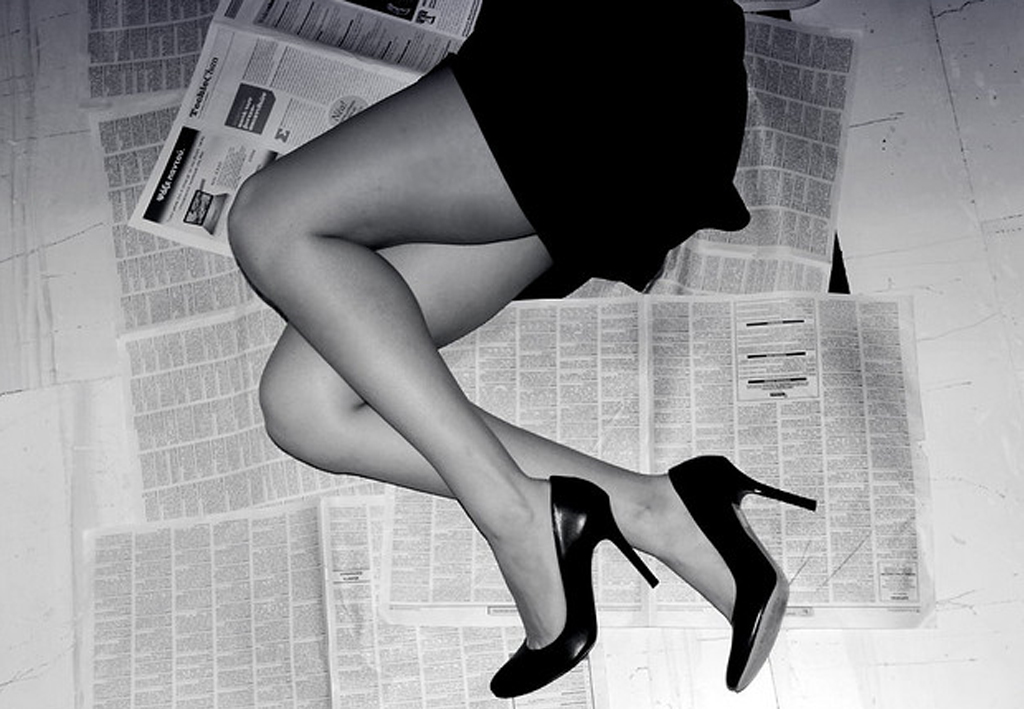
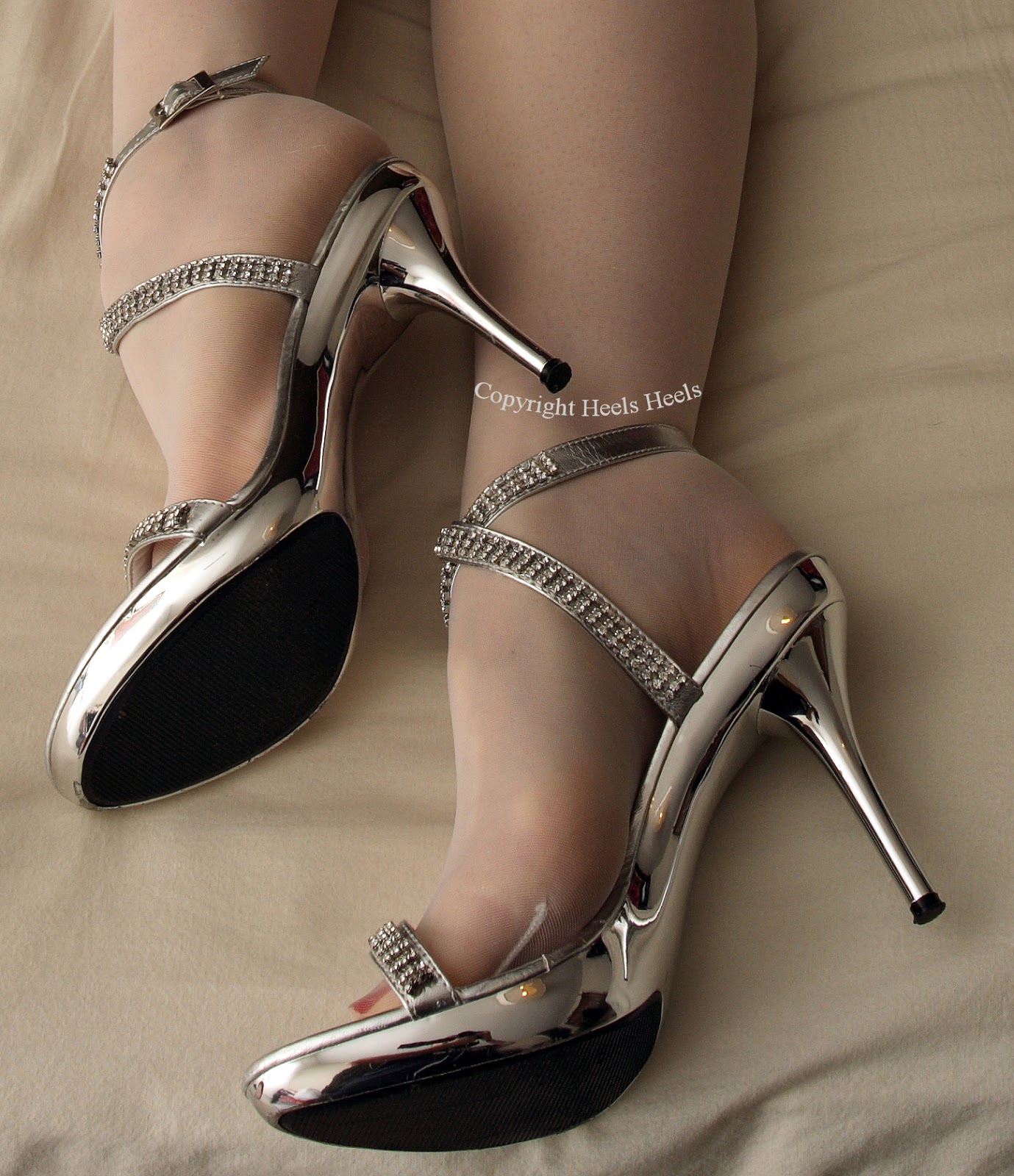
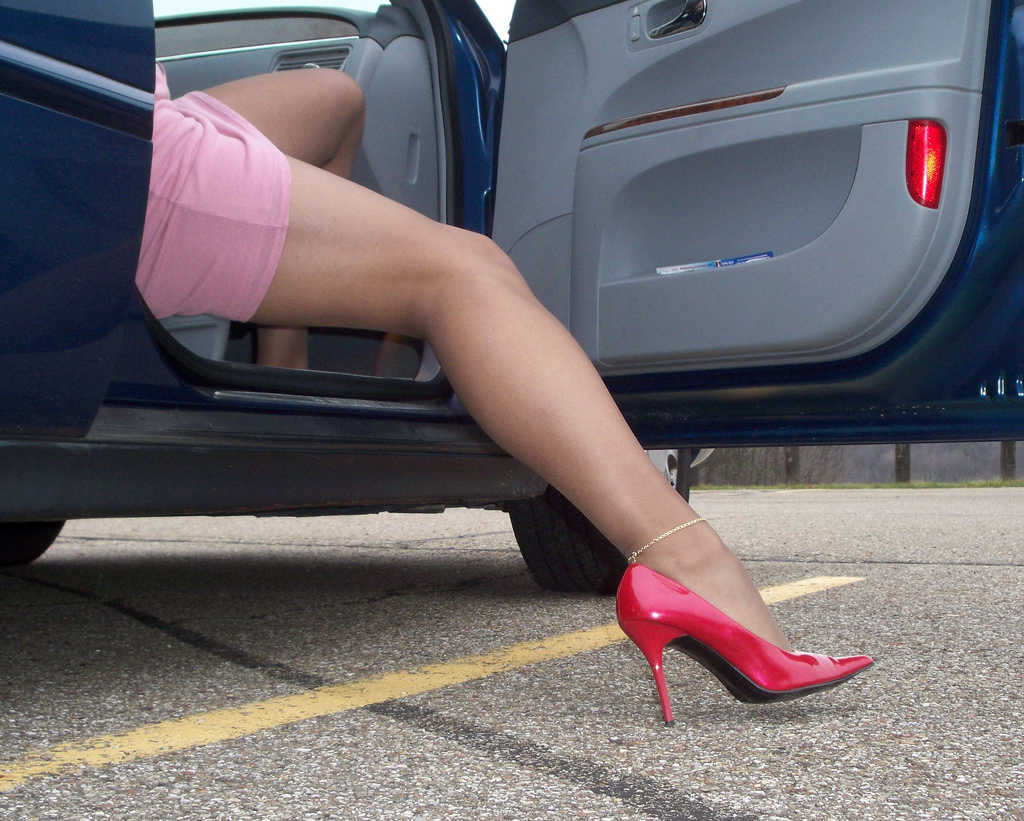
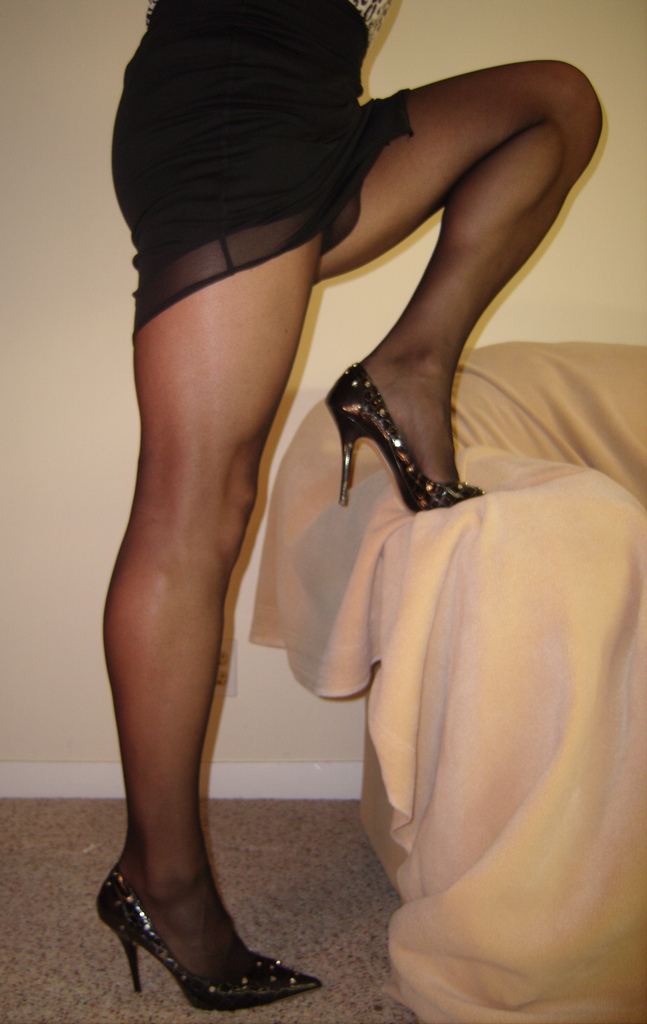
High-Heels Shoes Pictures

10:23 AM | with 0 comments »


High-Heeled Footwear


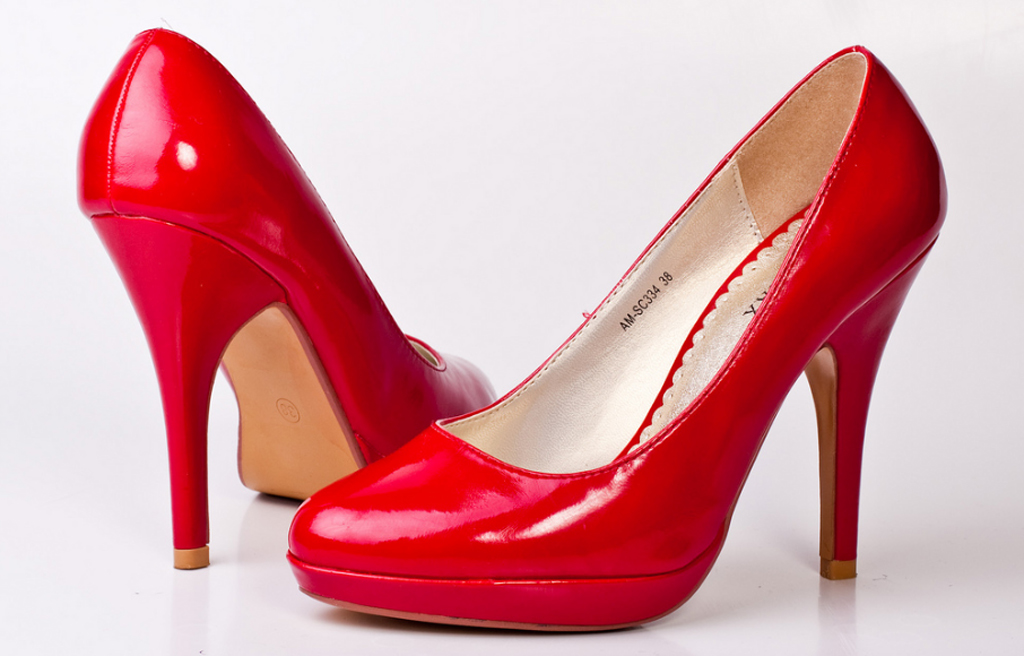
High-heeled footwear (often abbreviated as high heels or simply heels) is footwear that raises the heel of the wearer's foot significantly higher than the toes. When both the heel and the toes are raised equal amounts, as in a platform shoe, it is technically not considered to be a high heel; however, there are also high-heeled platform shoes. High heels tend to give the aesthetic illusion of longer, more slender legs. High heels come in a wide variety of styles, and the heels are found in many different shapes, including stiletto, pump (court shoe), block, tapered, blade, and wedge.

According to high-fashion shoe websites like Jimmy Choo and Gucci, a "low heel" is considered less than 2.5 inches (6.4 centimeters), while heels between 2.5 and 3.5 inches (6.4 and 8.9 cm) are considered "mid heels", and anything over that is considered a "high heel". The apparel industry would appear to take a simpler view; the term "high heels" covers heels ranging from 2 to 5 inches. Extremely high-heeled shoes, such as those exceeding 6 inches, strictly speaking, are no longer considered apparel but rather something akin to "jewelery for the feet". They are worn for display or the enjoyment of the wearer.

Although high heels are now usually worn only by girls and women, there are shoe designs worn by both genders that have elevated heels, including cowboy boots and Cuban heels. In previous ages, men also wore high heels.

Since the Second World War, high heels have fallen in and out of favor several times, most notably in the late 1990s, when lower heels and even flats predominated. Lower heels were preferred during the late 1960s and early 1970s as well, but higher heels returned in the late 1980s and early 1990s. The shape of the fashionable heel has also changed from block (1970s) to tapered (1990s), and stiletto (1950s, 1980s, and post-2000).

Today, high heels are typically worn by women, with heights varying from a kitten heel of 1.5 inches (3.8 cm) to a stiletto heel (or spike heel) of 4 inches (10 cm) or more. Extremely high-heeled shoes, such as those higher than 5 inches (13 cm), are normally worn only for aesthetic reasons and are not considered practical. Court shoes are conservative styles and often used for work and formal occasions, while more adventurous styles are common for evening wear and dancing. High heels have seen significant controversy in the medical field lately, with many podiatrists seeing patients whose severe foot problems have been caused almost exclusively by high-heel wear.

The wedge heel is informally another style of the heel, where the heel is in a wedge form and continues all the way to the toe of the shoe.

Reasons against wearing high heels, which are almost exclusively health and practicality reasons, include:

1. They can cause foot pain.
2. They increase likelihood of sprains and fractures.
3. They make calves look more rigid and sinewy.
4. They can create foot deformities, including hammertoes and bunions.
5. They can cause an unsteady gait.
6. They can shorten the wearer's stride.
7. They can render the wearer unable to run.
8. Altered forces at the knee caused by walking in high heels may predispose to degenerative changes in the knee joint.

Foot and tendon problems as listed below.
Women who wear high heels frequently have a higher incidence of degenerative joint disease of the knees. This is because they cause a decrease in the normal rotation of the foot, which puts more rotation stress on the knee.

Reasons for wearing high heels, which are almost exclusively aesthetic reasons, include:

1. They change the angle of the foot with respect to the lower leg, which accentuates the appearance of calves.

2. They change the wearer's posture, requiring a more upright carriage and altering the gait in what is considered a seductive fashion.

3. They make the wearer appear taller.

4. They make the legs appear longer.

5.They make the foot appear smaller.

6. They make the toes appear shorter.

7. They make the arches of the feet higher and better defined.

8. They may improve the tone of a woman's pelvic floor, thus affecting female incontinence.

9. They may help shorter people use items that have been designed for those of a normal height, e.g. sit upright with feet on floor on chairs that would otherwise be too high, reach items on shelves, etc.

During the 16th century, European royalty started wearing high-heeled shoes to make them look taller or larger than life, such as Catherine de Medici or Mary I of England. By 1580, men also wore them, and a person with authority or wealth was often referred to as "well-heeled".

In modern society, high-heeled shoes are a part of women's fashion, perhaps more as a sexual prop. High-heels force the body to tilt, emphasizing the buttocks and breasts, highlights of a woman's sexuality. They also emphasize the role of feet in sexuality, and the act of putting on stockings or high-heels is often seen as an erotic act. This desire to look sexy and erotic continues to drive women to wear high-heeled shoes, despite causing significant pain in the ball of the foot, or bunions or corns, or Hammer toe. A survey conducted by the American Podiatric Medical Association showed some 42% of women admitted that they would wear a shoe they liked even if it gave them discomfort.


Types of high heels

Types of heels found on high-heeled footwear include:

1. cone: a round heel that is broad where it meets the sole of the shoe and noticeably narrower at the point of contact with the ground

2. kitten: a short, slim heel with maximum height under 2 inches and diameter of no more than 0.4 inch at the point of contact with the ground

3. prism: three flat sides that form a triangle at the point of contact with the ground

4. puppy: thick square block heel approximately 2 inches in diameter and height

5. spool or louis: broad where it meets the sole and at the point of contact with the ground; noticeably narrower at the midpoint between the two

6. stiletto: a tall, slim heel with minimum height of 2 inches and diameter of no more than 0.4 inch at the point of contact with the ground

7. wedge: occupies the entire space under the arch and heel portions of the foot.


Men and heels

Elizabeth Semmelhack, curator for the Bata Shoe Museum, traces the high heel to male horse-riding warriors in the Middle East who used high heels for functionality, because they help hold the rider's foot in stirrups. She states that the earliest high heel she has seen is depicted on a 9th-century CE ceramic bowl from Persia.

Since the late 18th century, men's shoes have had primarily low heels. A notable exception is cowboy boots, which continue to sport a taller riding heel. The two-inch Cuban heel features in many styles of men's boot but was popularised by Beatle boots, famously worn by the English rock group The Beatles, which saw the reintroduction of heels for men. Winklepicker boots also usually feature a Cuban heel. There was also a brief resurgence in higher-heeled shoes for men in the 1970s (in Saturday Night Fever, John Travolta's character wears a Cuban heel in the opening sequence). The singer Prince is known to wear high heels, as well as Elton John. Bands such as Mötley Crüe and Sigue Sigue Sputnik predominantly wore high heels during the 1980s. Current well-known male heel wearers include Prince, Justin Tranter, lead singer of Semi Precious Weapons, and Bill Kaulitz, the lead singer of Tokio Hotel.


Accessories
The stiletto of certain kinds of high heels can damage some types of floors. Such damage can be prevented by heel protectors, also called covers, guards, or taps, which fit over the stiletto tips to keep them from direct, marring contact with delicate surfaces, such as linoleum (rotogravure) or urethane-varnished wooden floors. Heel protectors are widely used in ballroom dancing, as such dances are often held on wooden flooring. The bottom of most heels usually has a plastic or metal heel tip that wears away with use and can be easily replaced. Dress heels (high-heeled shoes with elaborate decoration) are worn for formal occasions.

Products have been created to alter the appearance of existing high heels. These products, such as the product "High Pheels" change the color patterning, or offer ways to accessorize the shoe. These products are convenient because of their ease of use (slip on) and ability to give new life to existing pairs of heels that are far past their prime but still fit the user comfortably.

Many philanthropies have been created around the central idea of men fighting gender violence by wearing high-heeled shoes and "walking a mile in her shoes". This theme has shown up in display windows in malls and across several cities in the United States.


Health impact
Foot and tendon problems

High-heeled shoes slant the foot forward and down while bending the toes up. The more that the feet are forced into this position, the more it may cause the gastrocnemius muscle (part of the calf muscle) to shorten. This may cause problems when the wearer chooses lower heels or flat-soled shoes. When the foot slants forward, a much greater weight is transferred to the ball of the foot and the toes, increasing the likelihood of damage to the underlying soft tissue that supports the foot. In many shoes, style dictates function, either compressing the toes or forcing them together, possibly resulting in blisters, corns, hammer toes, bunions (hallux valgus), Morton's neuroma, plantar fasciitis and many other medical conditions, most of which are permanent and require surgery to alleviate the pain. High heels – because they tip the foot forward – put pressure on the lower back by making the rump push outwards, crushing the lower back vertebrae and contracting the muscles of the lower back.

If it is not possible to avoid high heels altogether, it is suggested that the wearer spend at least a third of the time they spend on their feet in contour-supporting "flat" shoes (such as exercise sandals), or well-cushioned "sneaker-type" shoes, saving high heels for special occasions.

One of the most critical problems of high-heeled-shoe design involves a properly constructed toe-box. Improper construction here can cause the most damage to one's foot. Toe-boxes that are too narrow force the toes to be "crammed" too close together. Ensuring that room exists for the toes to assume a normal separation so that high-heel wear remains an option rather than a debilitating practice is an important issue in improving the wearability of high-heeled fashion shoes.

Wide heels do not necessarily offer more stability, and any raised heel with too much width, such as found in "blade-" or "block-heeled" shoes, induces unhealthy side-to-side torque to the ankles with every step, stressing them unnecessarily, while creating additional impact on the balls of the feet. Thus, the best design for a high heel is one with a narrower width, where the heel is closer to the front, more solidly under the ankle, where the toe box provides room enough for the toes, and where forward movement of the foot in the shoe is kept in check by material snug across the instep, rather than by the toes being rammed forwards and jamming together in the toe box or crushed into the front of the toe box.

Despite the medical issues surrounding high-heel wear, a few podiatrists recommend well-constructed low to moderate heels for some patients. It appears a slight elevation of the heel improves the angle of contact between the metatarsals and the horizontal plane, thereby more closely approximating the proper angle and resulting in proper weight distribution of a medium-to-high-arched foot. Other foot specialists, however, argue that any heel causes unnecessary stresses on the various bones and joints of the foot.

Single study suggests potential health benefits of high heels for women. In 2008, Cerruto et al. reported results that suggest that wearing high heels may improve the muscle tone of a woman's pelvic floor, thus having a potential effect on female stress urinary incontinence.  In the original publication, the principal author, Dr. Maria Angela Cerruto of the Department of Biomedical and Surgical Sciences, Urology Clinic, University of Verona, Italy, writes that with her publication she wants to respond to an earlier article in the Daily Mail (29 October 2007) concerning the hypothesis that heeled footwear might cause schizophrenia.

Based on study results, Cerruto et al. conclude that heels might affect female pelvic floor muscle activity, reducing myofascial pelvic pain, relaxing the pelvic floor, and improving pelvic organ well-being.

Additional to the publication in European Urology, Cerruto et al. also presented the results of their study at the 2007 European Association of Urology Congress in Berlin.


Feminist attitudes towards high heels

The high heel has been a central battleground of sexual politics ever since the emergence of the women's liberation movement of the 1970s. Many second-wave feminists rejected what they regarded as constricting standards of female beauty, created for the subordination and objectifying of women and self-perpetuated by reproductive competition and women's own aesthetics. Some feminists argue that the high heels were designed to make women helpless and vulnerable, perpetuating the gender role of males as protectors of the slowly staggering women. High heels have also been blamed for reducing the woman to a sex object by sacrificing practical comfort in favour of an alleged increase in sex appeal. High-Heels Shoes Pictures

Custom Search